Indoor vs outdoor sauna: choose the right place to unwind
Compare indoor and outdoor sauna placement, privacy, access, power and weather protection for a Texas home.
The quick answer
An indoor sauna makes daily access easy and uses space inside the home. An outdoor sauna creates a separate backyard retreat but needs a model designed for outdoor use and a suitable foundation. Choose by available space, weather exposure, power and the routine you want.
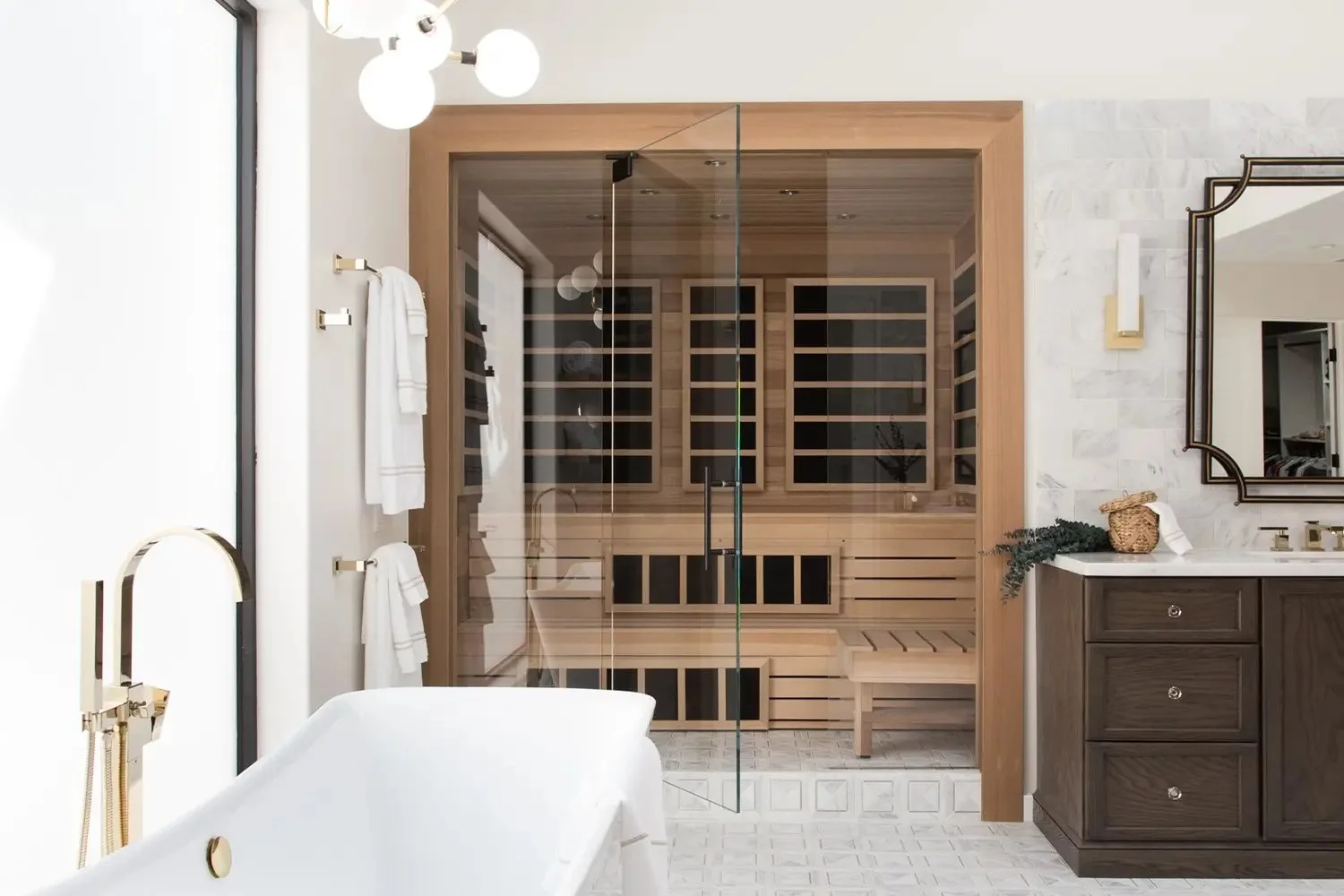
Indoor: make it part of the everyday route.
A sauna near a bathroom or exercise area can be easy to use regularly. Measure the room, ceiling height and delivery path. A corner that fits the assembled dimensions may not allow access for panels or safe clearances around the heater.
Check flooring, ventilation and electrical requirements in the model’s manual. Consider how you will clean around it and where towels and a cool-down seat will live. Keep nearby finishes and furniture within the installation guidance; the sauna is a heat source, not simply another cabinet.
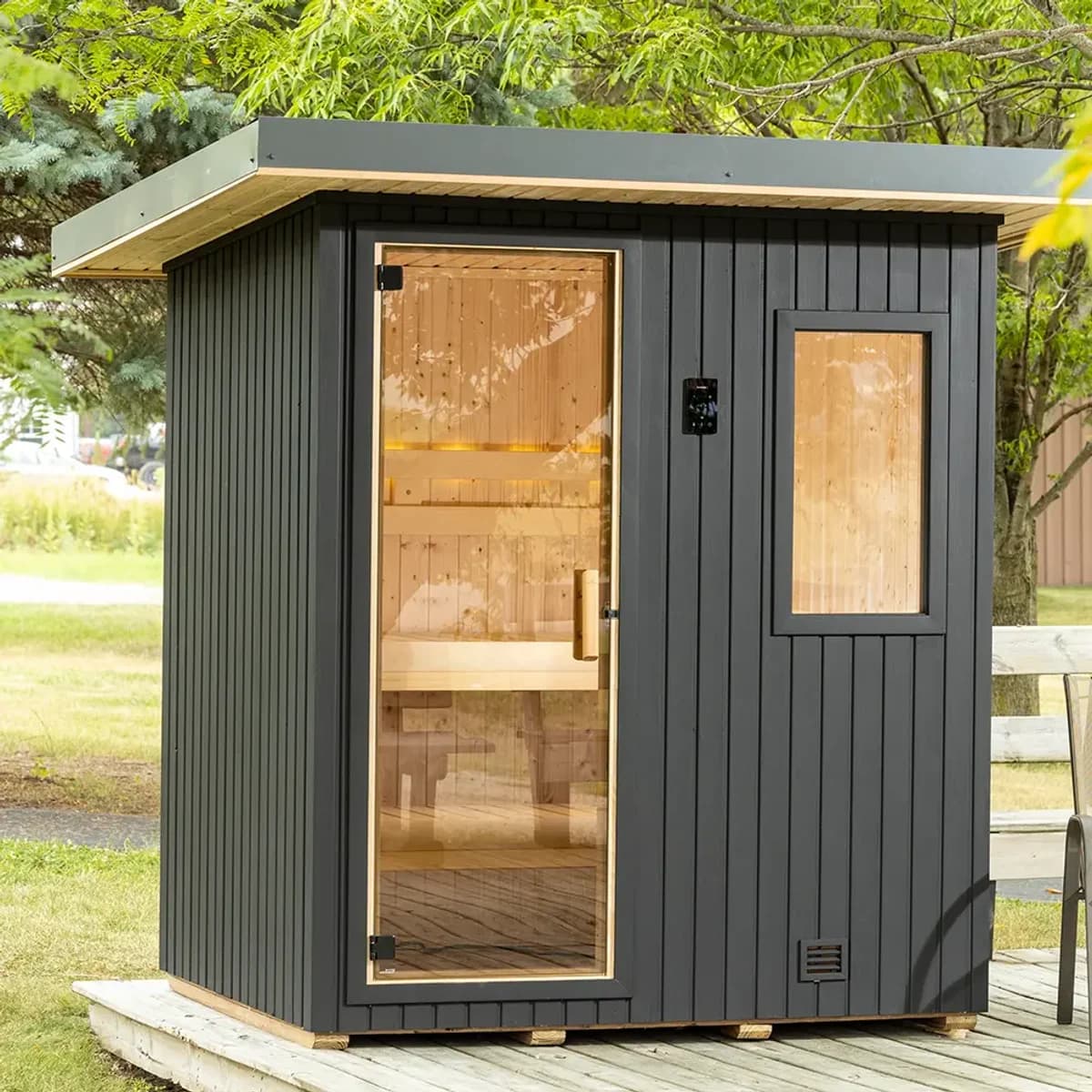
Outdoor: think through the trip in every season.
An outdoor sauna can create a retreat with a different view and greater separation from household activity. The practical questions are foundation, drainage, weather exposure, power and access. Choose a product the manufacturer identifies for outdoor use; adding a canopy does not convert an indoor unit into an outdoor one.
Imagine the walk from the house after dark or during rain. Plan safe footing, appropriate lighting and privacy. Ask about roof care, exterior maintenance and service access before landscaping around the unit. Texas sun can affect how exposed surfaces feel, so consider shade and placement as part of the design.
Choose the model before you arrange electrical work.
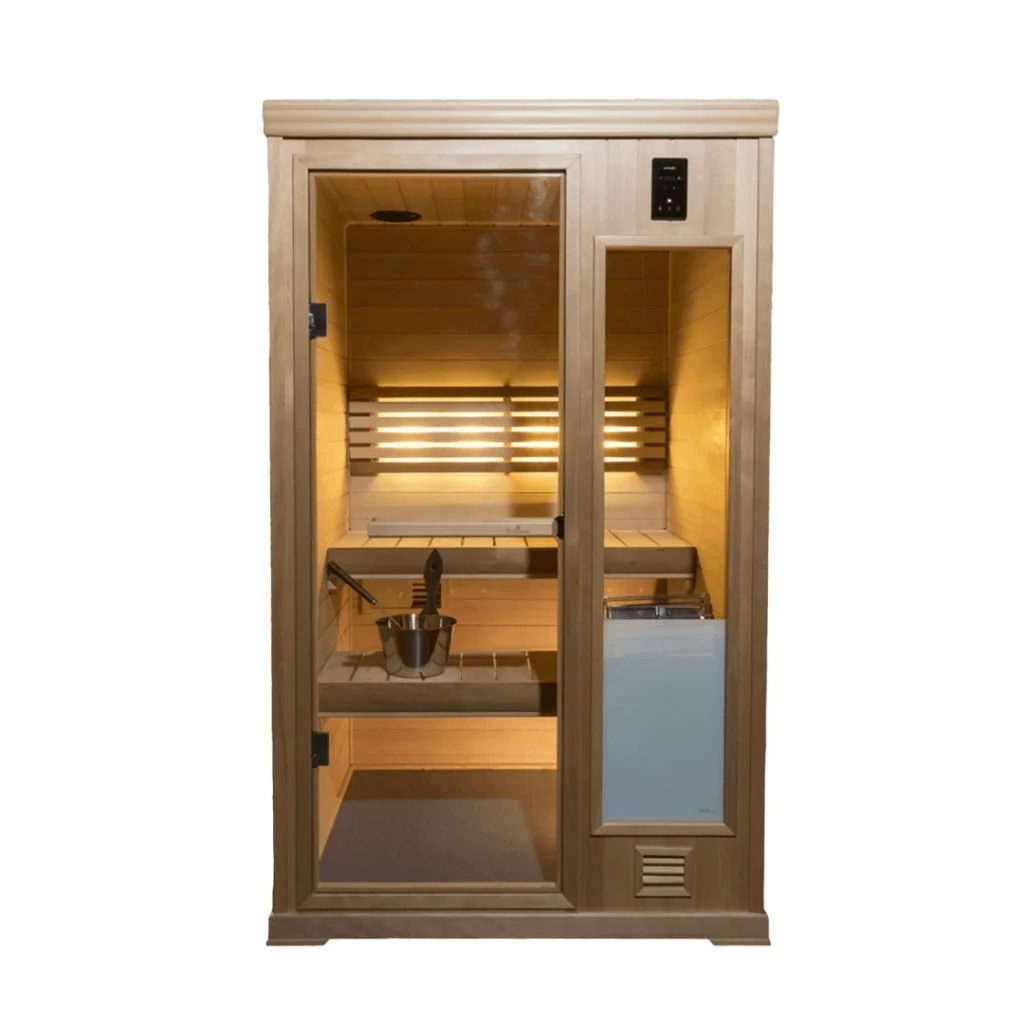
Sauna power needs vary with the heater and model. A smaller plug-in sauna and a larger traditional sauna can have different circuit requirements. Read the exact specification and installation manual, then ask a licensed electrician to confirm the work for your home.
If you are considering a wood-burning outdoor sauna, ask about the complete flue, clearance and local requirements. Fuel type changes more than how the room warms up. The proposed location and your jurisdiction should be part of the installer conversation.
Compare comfort and the whole installation.
Write down the number of regular users, preferred heat style and likely session times. Compare bench space, entry, heater placement and cleaning access. If one location is far easier to use, that may matter more than a dramatic exterior.
Ask the showroom for a model-specific plan and the documents your installer needs. Compare the unit and site costs together. The right sauna is the one that fits the home and gets used.
Your questions, answered.
Can outdoor saunas be used in Texas?
Choose a sauna rated by its manufacturer for outdoor use, prepare the required foundation and power, and check local installation requirements.
Does every sauna need a 240-volt circuit?
No. Electrical requirements differ by model and heater. Use the exact manufacturer specifications rather than a general sauna rule.
Sources & useful next steps
- Southern Leisure: Finnleo and Hekla sauna specifications
- TDLR: electrical installation permits and local requirements
Product configurations, pricing and availability can change. Confirm your selected model and project scope with your showroom before preparing the site.